How to protect your dog from heat, sunburn & heatstroke
Angelika Maria WallisAs a pharmacist with a veterinary background, I explain in this well-informed article: Why is summer heat so dangerous for dogs? How do you recognize the warning signs – and what simple measures can you take to keep your dog healthy, cool, and protected?
Table of contents
- 1. Why is summer heat so stressful for dogs?
- 2. The most important basic rules for dog grooming in summer
- 3. Heat protection in everyday life: Practical tips
- 4. Identify and prevent health risks in summer
- 5. Insect protection and parasite control
- 6. Nutrition and feeding in summer
- 7. Activity and employment
- 8. Travel and excursions with a dog
- 9. Specific risks for certain dog groups
- 10. Frequently Asked Questions (FAQs)
- 11. Conclusion: Summer dog care – expertise from the pharmacy
1. Why is summer heat so stressful for dogs?
Dogs regulate their body temperature solely through panting and their paw pads – they cannot sweat like humans. This makes them susceptible to overheating, especially on hot summer days. The strain on their bodies increases at temperatures as low as 25°C, and above 30°C it can become life-threatening.
Those particularly at risk are:
- Older dogs and animals with cardiovascular diseases
- Overweight dogs – due to reduced thermoregulation
- Short-nosed breeds such as Pugs, Bulldogs, or Boxers
Important: An overheated dog can suffer heatstroke within minutes. Prevention is therefore crucial.
2. The most important basic rules for dog grooming in summer
With a few simple rules, you can reliably protect your dog from overheating, sunburn, and circulatory problems:
- Walks in the early morning and late evening hours – avoid the midday heat
- Always make fresh water available, even when you're out and about.
- Create cool resting places – e.g., tiles, shady spots, damp towels
- Never leave it in the car – not even with the window slightly open!
- Regular grooming – remove loose hair, summer trim if necessary
- Provide cooling – paddling pool, lake or cooling mat
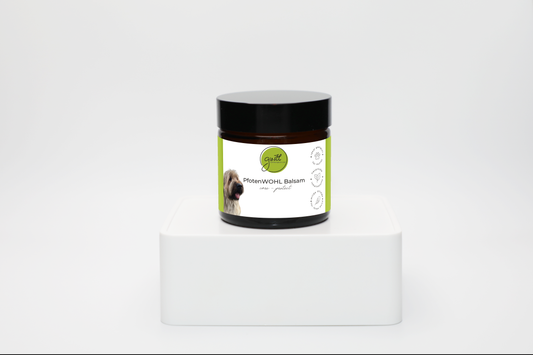
Tip from the pharmacy: When walking on hot asphalt, a PawWell balm protects your dog's sensitive paw pads from burns and drying out.
3. Heat protection in everyday life: Practical tips
3.1 Dog walking times and routes
- It is coolest in the early morning (before 9 a.m.) or in the evening (after 7 p.m.).
- Prefer shady paths such as forest trails, parks or riverside paths.
- Asphalt test: Place the back of your hand on the ground. Is it too hot? Then it's also too hot for dog paws.
Paw care tip: After the walk, rinse briefly with water and then gently massage in the PawWell balm – for regeneration and protection.
3.2 Water and fluid intake
- Always offer fresh water – also place several bowls outside.
- It's best to take collapsible bowls or water bottles for dogs with you when you're out and about.
- A refreshing treat: Watermelon (without seeds), frozen cucumber slices, or homemade dog ice cream are popular and hydrating.
3.3 Create cool retreats
- Inside: bathrooms, basements, tiled floors, or fans
- Outdoors: shady spots, damp towels, lawn sprinklers or a parasol
- Cooling mats: Special cooling mats for dogs offer quick relief.
3.4 Coat care and skin protection
- Brush regularly: Removes dead fur, prevents heat build-up
- Summer haircut: Recommended for dogs with a dense undercoat or long fur (not for breeds with thermoregulating fur like Huskies!)
- Protect skin: For dogs with light or short fur, apply a sun-safe spray – specially developed for sensitive skin areas such as the nose, ears, and belly.
4. Identify and prevent health risks in summer
4.1 Heatstroke and overheating
Heatstroke is life-threatening and often occurs more quickly than many people realize. Older dogs, brachycephalic breeds, and overweight animals are particularly at risk. Symptoms of impending heatstroke include:
- Heavy panting
- Restlessness or noticeable apathy
- Staggering, vomiting or diarrhea
- Bright red mucous membranes and cramps
First aid for heatstroke:
- Immediately move the dog to a shady, cool place.
- Moisten the body with lukewarm (not ice-cold!) water – ideally: legs, belly, paws
- Offer water – don't force people to drink it.
- See a vet as soon as possible.
4.2 Sunburn and skin problems
Dogs can also get sunburned – especially on unprotected, sparsely furred areas such as the nose, ears, or belly. Light-colored and short-haired breeds are particularly at risk.
Tip: Use a special sun-safe spray for dogs with mineral UV protection. It is fragrance-free, water-resistant, and safe for skin and mucous membranes.

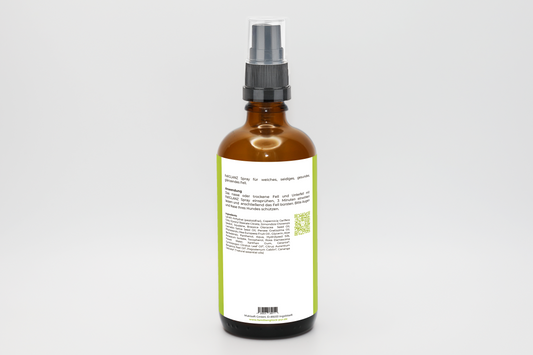
SunSafe Spray by Gustl
Protect your dog's skin with our SunSafe Spray, which provides a natural sun protection factor and blocks harmful UV rays. The light, moisturizing formula absorbs quickly, soothes skin after sun exposure, and is free from parabens, phthalates, and other potentially harmful chemicals.
I would like to try that.4.3 Paw care in summer
Asphalt, paving stones, and sand can become extremely hot – and cause painful burns on your dog's paws. The so-called "back of hand test" helps: If the ground is too hot for you to touch, it's also too hot for your dog to walk on.
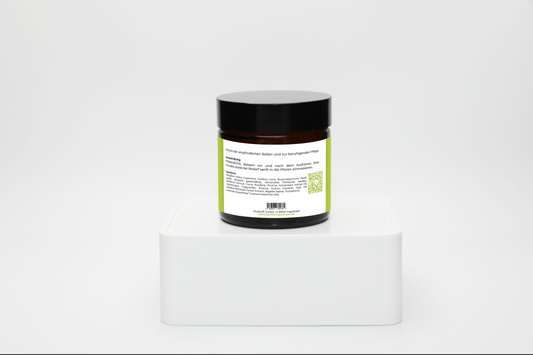
Care tip: Apply a protective layer of PawWell Balm before your walk. The balm protects your dog's paws from heat, cracks, and dryness – thanks to natural ingredients like coconut oil, jojoba oil, and calendula.
4.4 Gastrointestinal problems
Heat can put a strain on the gastrointestinal tract – increased panting leads to a loss of fluids and electrolytes. Additionally, warm weather promotes the growth of germs in bowls or leftover food.
- Offer fresh water daily
- Rinse bowls with hot water, dispose of leftover food immediately.
- You could try using wet food or homemade moist food.
5. Insect protection and parasite control
5.1 Ticks, fleas and mosquitoes
Summer is peak season for ticks, fleas, and mosquitoes. They can transmit diseases such as Lyme disease or anaplasmosis.
- Examine your dog thoroughly after every walk.
- Use preventative pharmacy products such as spot-ons, collars, or sprays.
- Remove ticks with a suitable tool.
5.2 Insect bites
Wasp, bee or horsefly stings can lead to severe swelling and pain – especially in the mouth area there is a risk of suffocation.
First aid: Cool with a damp cloth or cooling gel from the pharmacy. In case of difficulty breathing, swelling, or circulatory problems: Consult a veterinarian immediately.
5.3 Protection against flies and sandflies
Flies can be attracted to open wounds or sensitive areas, especially when the fur is damp. In southern regions of Europe, sandflies pose an additional danger, as they transmit dangerous diseases.
- Opt for skin-friendly insect repellent sprays with repellent active ingredients.
- Before traveling, inform yourself about regional risks and possible vaccinations.
6. Nutrition and feeding in summer
- Light food: Many dogs eat less in hot weather – smaller, easily digestible portions are ideal.
- More moisture: Wet food, cucumber or watermelon (seeded!) can help stabilize the fluid balance.
- Cleanliness: Wash bowls daily with hot water – this prevents bacterial growth.
- Frozen treats: Ice cubes with chicken broth or yogurt are popular summer treats – feed in moderation and under supervision.
7. Activity and employment
7.1 Avoid strenuous activities
Strenuous physical activity should be avoided in summer. Jogging, cycling, or intensive dog training in the heat can be dangerous. Pay attention to your dog's behavior and adjust the activity level accordingly.
- Schedule training sessions for the early morning or late evening hours.
- Take a break from sports in the summer or replace them with lighter alternatives.
7.2 Mental stimulation instead of power training
In hot weather, focus on mental stimulation: scent games, puzzle toys, or simple tricks in the shade are ideal. They challenge your dog without overexerting him physically.
7.3 Water activities
Water isn't just good for cooling down – it's also fun!
- Paddling pool in the garden or on the balcony
- Playing with the garden hose (only with low pressure!)
- Swimming together in dog beaches or lakes (pay attention to hygiene and leash requirements)
8. Travel and excursions with a dog
- Travel preparation: Find out about the climate at your destination, parasite risks, and travel accessories.
- Transportation: Ensure adequate ventilation in the car, take regular breaks in the shade, and always carry water.
- Accommodation: Choose dog-friendly accommodations with shady resting places and cool sleeping options.
9. Specific risks for certain dog groups
- Senior dogs and puppies: Have less efficient temperature management – overheat more quickly.
- Short-headed breeds (Pug, Bulldog): Their breathing is restricted by their anatomy – risk of heatstroke!
- Overweight dogs: The extra mass makes thermoregulation more difficult.
- Chronically ill dogs: Especially those with cardiovascular diseases increase the risk of complications in hot weather.
Pharmacy advice: For at-risk groups, have regular health checks and adjust care and exercise accordingly.
10. Frequently Asked Questions (FAQs)
How can I recognize heatstroke in my dog?
Typical symptoms include heavy panting, lethargy, a staggering gait, vomiting, bright red mucous membranes, and seizures. Immediate action is vital – move your dog into the shade, cool him down with lukewarm water, and seek veterinary care as soon as possible.
How can I protect my dog from sunburn?
Dogs with light or thin coats are particularly at risk. Use a sunscreen for dogs, such as our Gustl SunSafe Spray – ideal for the nose, ears, belly, and other sensitive areas.
How often can my dog swim in the summer?
As long as the water is clean and your dog enjoys it, he can go in several times a day. However, be careful not to leave him lying in a draft afterwards – otherwise he risks catching a cold.
What helps with hot floors and paw problems?
Avoid hot asphalt; test the temperature with the back of your hand. After walks, you can care for your pets with PawWell balm – it soothes, protects, and regenerates.
Should I change the food in the summer?
Many dogs eat less in hot weather. Offer smaller portions, possibly with a higher moisture content, and pay attention to hygiene. Fresh fruit such as cucumber or watermelon (without seeds) can provide additional moisture.
11. Conclusion: Summer dog care – expertise from the pharmacy
Summer can be a wonderful but also challenging time for dogs. With the right knowledge and appropriate measures – from shady walks and plenty of water to targeted paw and skin care – your dog will stay healthy, relaxed, and active.
The following are particularly important:
- adjusted walking times and cool resting places
- regular grooming and protection from hot floors
- Sun protection with products like the SunSAFE Spray
- Paw care with PawWell balm against irritation caused by heat and asphalt
- fresh water and light meals
As a pharmacist, I recommend: Observe your dog carefully, ensure its safety, and choose high-quality grooming products specifically formulated for dogs. This way, your four-legged friend will stay well-protected and can enjoy the summer carefree.
Note: In case of heatstroke, allergic reactions or unusual symptoms, you should always seek veterinary advice immediately.