Lavender oil: Effects, uses & safety from a pharmaceutical perspective
Angelika Maria WallisLavender oil is one of the best-known and most versatile essential oils worldwide. As a pharmacist, I regularly advise on its uses in skincare, aromatherapy, and herbal medicine. In this guide, you will learn what makes lavender oil special, how it works, and how to use it responsibly.
- 1. What is lavender oil?
- 2. Chemical composition & quality characteristics
- 3. Pharmaceutical significance of lavender oil
- 4. Mode of action on body & skin
- 5. Areas of application
- 6. Safety & Compatibility
- 7. Quality features when buying
- 8. Application tips from the pharmacy
- 9. Study situation & scientific evaluation
- 10. FAQs about lavender oil
- 11. Conclusion: Use lavender oil in a targeted and responsible manner
1. What is lavender oil?
Lavender oil is an essential oil obtained from fresh lavender flowers through steam distillation. The main methods for oil production are:
- Lavandula angustifolia: True or medicinal lavender – medically relevant
- Lavandula latifolia: Spike lavender – stronger fragrance, more commonly used in cosmetics
- Lavandula hybrida: Lavandin – hybrid, high-yielding, cheaper, less valuable
High-quality lavender oil is colorless to slightly yellowish, has a clear, floral fragrance, and is intensely effective even in small quantities.
2. Chemical composition & quality characteristics
The effects and quality of lavender oil depend heavily on its chemical composition. Two ingredients play a central role: linalyl acetate and linalool .
2.1 Linalyl acetate, linalool & Co.
Typical ingredients at a glance:
- Linalyl acetate (25–46%): Has a calming and relaxing effect, supports the onset of sleep.
- Linalool (30–45%): Antibacterial, anti-inflammatory, analgesic
- Other ingredients: Terpinen-4-ol, cineole, lavandulol, lavandulyl acetate, limonene, camphor
The higher the linalyl acetate content, the higher the quality of the oil – a typical indicator of pharmaceutical quality.
2.2 Lavender vs. Lavandin – what is the difference?
Lavandin is a hybrid plant with higher yields, but a different active ingredient profile:
- Lower linalyl acetate content (~30%)
- More camphor – therefore less skin-friendly and not suitable for internal use.
- Primarily used in cleaning or cosmetic products
Medicinal lavender (Lavandula angustifolia), on the other hand, contains more of the soothing esters and is preferably used in medical and dermatological products.
3. Pharmaceutical significance of lavender oil
Lavender oil, especially that of true lavender (Lavandula angustifolia), is recognized as a herbal medicine. It is used for:
- Mild anxiety and inner restlessness
- Sleep disorders (difficulty falling asleep and staying asleep)
- Mild nervous gastrointestinal complaints
A well-known example is the drug Lasea® with the standardized lavender oil active ingredient Silexan® . Studies show an anxiolytic (anxiety-relieving) effect on the central nervous system – comparable to synthetic drugs, but without the potential for addiction.
3.1 Internal use for restlessness & sleep problems
Standardized lavender oil capsules can help improve sleep, shorten the time it takes to fall asleep and reduce daytime restlessness – a natural alternative to sleeping pills.
3.2 External application in skin care
Thanks to its antiseptic and skin-regenerating properties, lavender oil is widely used in dermatological formulations. It supports wound healing, soothes reddened skin, and is suitable for various skin types – including sensitive or blemished skin.
In modern skincare formulations such as regenerating creams, lavender oil is used, for example, to support:
- minor skin irritations
- superficial scars
- cracked, irritated or sensitive skin
Some pharmacy-exclusive family care products, such as certain scar creams or repair creams , combine lavender oil with skin-soothing active ingredients for particularly sensitive skin areas – e.g., after injuries, for irritated skin or for scar care.
4. Mode of action on body & skin
Lavender oil works on several levels – through the skin, through the limbic system in the brain, and through the nervous system.
4.1 Calming & anxiety-relieving
The combination of linalyl acetate and linalool acts directly on GABA receptors in the brain – similar to tranquilizers, but without the potential for addiction. It reduces stress hormones and supports emotional balance.
4.2 Antibacterial & anti-inflammatory
Lavender oil inhibits the growth of Staphylococcus aureus , Candida albicans , and other germs. It has anti-inflammatory properties, making it helpful for minor skin inflammations, insect bites , and irritations.
In combination with nourishing carrier oils or creams, it has a balancing effect on sensitive skin – especially in products for sensitive or irritated family skin.
4.3 Skin Regeneration & Sebum Regulation
Lavender oil supports cell regeneration and regulates sebum production . Therefore, it is suitable for both dry, stressed skin and oily, blemish-prone skin.
This balancing effect can be found, for example, in selected combination products for daily care – especially where skin needs both regeneration and protection .
5. Areas of application
5.1 Internal use: Capsules & medical preparations
Internal use is exclusively in the form of standardized, pharmacy-only preparations – e.g., lavender oil capsules for inner restlessness or nervous digestive problems. These products contain tested, highly purified lavender oil with a precisely defined active ingredient content.
Important: The use of uncontrolled or self-dosed lavender oil is not recommended – it can lead to irritation, intolerances or interactions.
5.2 External: Creams, oils & bath additives
When applied externally, lavender oil unfolds its skin-soothing, antiseptic, and regenerative effects. It is ideally suited for:
- Facial care: for blemished, stressed or mature skin
- Wound care: e.g. for minor scratches, scars or cracked skin
- Baby care: in mildly formulated creams to soothe irritated skin
- Bath additives: relaxing for muscle tension or sleep problems
In particular, dermatologically developed creams such as the Repair Cream or Scar Cream contain lavender oil in a balanced concentration – combined with skin-nourishing lipids such as shea butter or panthenol for a regenerating care experience without irritation potential.
5.3 Aromatherapy
Lavender oil is frequently used in aromatherapy to:
- Reducing stress
- to make falling asleep easier
- to lift the mood
A few drops in an aroma diffuser or on a fragrance stone are often enough to create a relaxing atmosphere in a short time. Lavender oil has proven particularly effective in combination with evening rituals, such as warm baths or gentle massages.
6. Safety & Compatibility
Lavender oil is generally considered very well tolerated , provided it is used correctly. However, some precautions should be taken:
- Never apply undiluted! Essential oils are highly concentrated and can irritate the skin. A dilution of 1–5% in a carrier oil is typical.
- Compatibility test: Test on a small area of skin before first use.
- During pregnancy: Use only in consultation with a doctor or midwife.
- For babies and toddlers: Be careful with pure essential oils – it's better to use mildly formulated creams.
Products such as Mukisoft Repair Cream or scar care already contain the correct dosage and thus offer gentle but effective care – also for children and sensitive skin.
7. Quality features when buying
As a pharmacist, I place great importance on selecting high-quality products. When buying lavender oil or lavender-containing skincare products, you should pay attention to the following characteristics:
- Botanical name: Lavandula angustifolia – for true medicinal lavender
- Origin: Ideally from Provence or organic farming
- Ester content: Linalyl acetate ≥ 40% for high efficacy
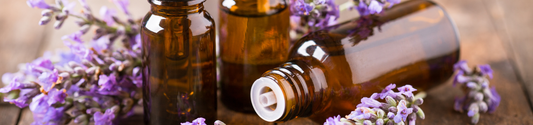
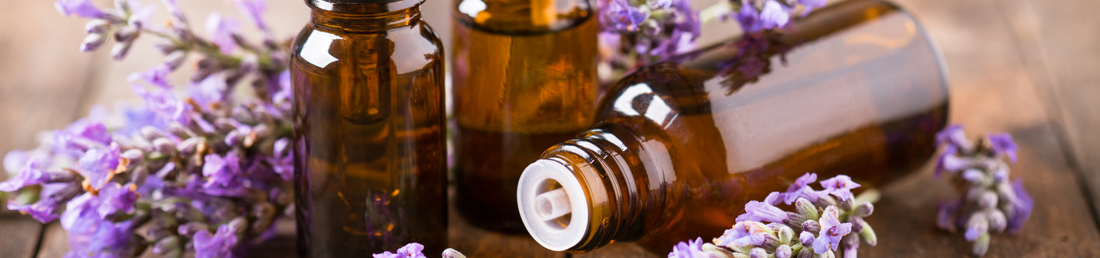
- Packaging: Dark glass protects against light and oxidation
- Scent: Floral, clear – never sharp or “soapy”
Beware of cheap products: These often contain synthetic additives, too high a camphor content, or come from lavandin hybrids with reduced effectiveness.
8. Application tips from the pharmacy
Lavender oil is versatile and easy to use – provided it is high-quality and correctly dosed. Here are some tried-and-tested tips from pharmaceutical practice:
- For the skin: Mix 1-3 drops of lavender oil with 10 ml of jojoba or almond oil, apply to the affected areas of skin.
- In the bathroom: Add 5-8 drops to warm bathwater along with an emulsifier (e.g. cream or honey) – ideal before going to sleep.
- For restlessness: Lavender oil in an aroma lamp or diffuser – especially in the evening it promotes relaxation.
- For children: Use gently formulated creams, e.g. with low doses of lavender oil and soothing plant extracts.
Lavender-containing combination products are also available in pharmacies, e.g. Mukisoft Repair Cream or scar care for the whole family , which specifically combine lavender oil with regenerating active ingredients – for relaxed, protected skin for young and old.
9. Scientific Studies & Evaluation
The effectiveness of lavender oil has been investigated in numerous studies – particularly with regard to anxiety relief, sleep improvement and skin regeneration:
- A study with the active ingredient Silexan® showed a significant reduction in anxiety – comparable to Lorazepam, but without side effects.
- Studies on lavender oil in aromatherapy show a shortened time to fall asleep and improved sleep quality .
- In vitro studies demonstrate an antibacterial effect against staphylococci, Candida and streptococci.
10. Frequently Asked Questions (FAQs)
Is lavender oil suitable for children?
Yes, but only in highly diluted form or in specially developed creams. Look for mild formulations without irritating additives.
Can I use lavender oil if I have sensitive skin?
Generally, yes – ideally in dermatologically tested skincare products. Pure essential oil should always be diluted.
Does lavender oil help with scars?
Yes, lavender oil can support skin regeneration. It unfolds its potential particularly well in creams with regenerating ingredients, e.g., in Mukisoft scar cream .
How can I recognize high-quality lavender oil?
Look for the botanical name (Lavandula angustifolia), a high ester content, and dark glass bottles. Organic quality is recommended.
Are there any risks or side effects?
When used correctly, lavender oil is well tolerated. Possible side effects include skin irritation or allergic reactions – a patch test beforehand is advisable.
11. Conclusion: Natural. Effective. Versatile.
Lavender oil is a tried and tested natural remedy that works wonders on both skin and mind. Whether for relaxation, care, or regeneration – when used correctly, it offers a multitude of benefits.
As a pharmacist, I recommend using high-quality, standardized products – especially when lavender oil is combined with other nourishing ingredients. Modern skincare products integrate lavender oil in a way that ensures tolerability, effectiveness, and ease of use.
Intrigued? Then take a look at our Repair Cream or Scar Care – lovingly developed for the whole family.
Note: This article is not a substitute for medical advice. If you have any questions, please consult your doctor or pharmacist.