Shea butter: Effects, uses & benefits
Angelika Maria WallisAs a pharmacist, I explain in this well-informed article: What makes shea butter – or Butyrospermum Parkii (Shea) Butter – so special? What effect does it have on skin and hair, and what should families, natural cosmetics enthusiasts, and dog owners look for when choosing it?
- 1. Introduction: What makes shea butter so special?
- 2. Origin and extraction
- 3. INCI name: Butyrospermum Parkii (Shea) Butter
- 4. Biochemical composition
- 5. Skincare with Shea Butter: Effects & Benefits
- 6. Shea butter in hair care
- 7. Medical and therapeutic applications
- 8. Who is shea butter suitable for?
- 9. Shea butter in dermocosmetics
- 10. Scientific evaluation and pharmaceutical classification
- 11. Quality and selection: What you should pay attention to
- 12. Application tips from the pharmacy
- 13. Sustainability and social responsibility
- 14. Shea butter in use: Examples from the Mukisoft shop
- 15. FAQs about Shea Butter
- 16. Conclusion: Shea butter – A natural talent for skin & hair
1. Introduction: What makes shea butter so special?
Shea butter is no longer a secret – today it's considered one of the most valuable natural ingredients in skin and hair care. As a pharmacist, I particularly appreciate shea butter for its versatile effects: moisturizing, skin-soothing, antioxidant, and regenerative.
Whether for sensitive baby skin, dry winter skin or as a protective ingredient in dog care – shea butter impresses with a unique combination of valuable ingredients that sustainably strengthen and care for the skin.
2. Origin and extraction
2.1 The shea tree and its fruit
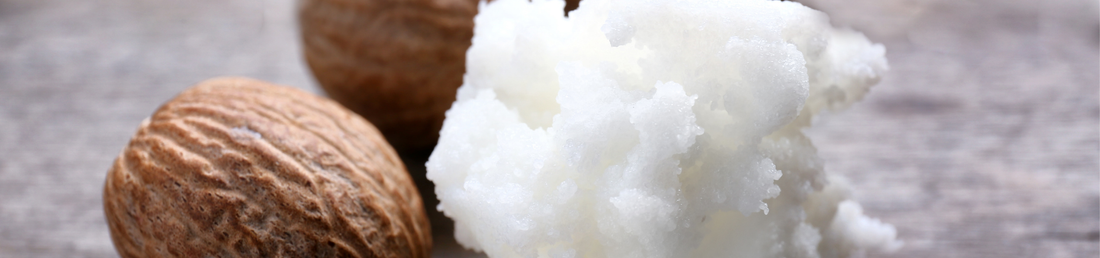
Shea butter is extracted from the nuts of the African shea tree (Vitellaria paradoxa), which grows in the savannas of West Africa. The tree is considered sacred and can live for over 100 years. The shea nuts contain a particularly rich, fatty pulp, from which the butter is extracted using complex processes.

2.2 Traditional and modern manufacturing methods
Traditionally, the nuts are harvested, dried, roasted, and crushed by hand. The fat is then extracted by boiling and skimming. Modern methods such as cold pressing preserve the nutrients and retain more vitamins and antioxidants.
The best quality is provided by unrefined, cold-pressed shea butter products from fair trade – an important aspect also in sustainable family and animal care .
3. INCI name: Butyrospermum Parkii (Shea) Butter
Shea butter is found in cosmetic products under its official INCI name , Butyrospermum Parkii (Shea) Butter . This internationally recognized label allows consumers to reliably identify ingredients on packaging.
Tip from the pharmacy: Make sure that shea butter is listed as high up in the ingredient list as possible – this indicates a high proportion in the product.
4. The biochemical composition of shea butter
The exceptional effects of shea butter can be clearly demonstrated biochemically. Its natural composition makes it one of the most valuable ingredients in natural cosmetics.
-
Fatty acids:
- Oleic acid (Omega-9): approx. 40–50% – ensures suppleness
- Stearic acid: approx. 36–50% – gives the firm consistency
- Linoleic acid (Omega-6): approx. 4–8% – strengthens the skin barrier
- Palmitic acid: approx. 3–8% – has a moisturizing effect
-
Vitamins:
- Vitamin E (tocopherol): protects against free radicals
- Beta-carotene (vitamin A precursor): cell-renewing and antioxidant
- Vitamin F (linoleic acid): important for skin elasticity
-
Other active ingredients:
- Allantoin: soothing, promotes wound healing
- Phytosterols: anti-inflammatory, strengthen the skin's protective barrier.
This composition is virtually unparalleled in its complexity and makes shea butter ideal for a wide range of applications – from facial care to animal care.
5. Skincare with Shea Butter: Effects & Applications
Shea butter is particularly valued in dermatological care – it deeply nourishes, soothes, and protects the skin barrier. Here are its most important uses:
- Intensive moisturizing care: Ideal for dry, flaky, or tight skin. The fatty acids form a protective lipid layer.
- Soothing relief and calming effect: Effective for itching, redness, mild eczema and neurodermatitis – also suitable for babies.

Baby Bottom Cream by Mukisoft
- Mukisoft Baby Diaper Cream is specially formulated for baby care and offers targeted protection in the diaper area. Skin irritations, sores, and redness are common in newborns and require special attention. This baby cream protects and cares for your baby's delicate skin from irritations caused primarily by wetness, heat, or friction, and soothes sensitive skin after contact with stool and urine.
- Anti-aging: The antioxidant vitamins counteract wrinkles and promote collagen production.
- Regeneration & wound healing: Supports minor tears, sunburn or insect bites – e.g. as an ingredient in a repair cream.
- Strengthening the skin barrier: Ceramide-like ingredients protect against environmental influences and prevent moisture loss.
Pharmacy tip: Use shea butter pure or in combination with other skin-nourishing ingredients.

6. Shea butter in hair care
Shea butter is also a true all-rounder in hair care. Particularly dry, curly, or chemically treated hair benefits from it:
- Moisture & Shine: Coats the hair fiber, smooths and protects against drying out.
- Strengthening of the hair structure: The fatty acids it contains are similar to natural lipids – ideal for damaged or brittle hair.
- UV and heat protection: Helps protect against sun, hair dryers and hair straighteners.
- Dandruff and scalp care: Soothes itchy or flaky scalps.
Application tip: Before washing, massage sparingly into lengths and ends, leave on for 15–30 minutes, then wash out with mild shampoo.
7. Medical & therapeutic uses of shea butter
Thanks to its anti-inflammatory, regenerating and skin barrier-strengthening properties, shea butter is also used as a supportive agent in medical skincare:
- Neurodermatitis & eczema: Relieves itching, reduces redness and soothes irritated skin – a gentle alternative to cortisone-containing products.
- Psoriasis: Provides intensive moisture and reduces scaling.
- Minor wounds & skin irritations: Promotes wound healing, has an antibacterial effect and protects injured skin.
- Insect bites & sunburn: Allantoin and vitamin E soothe quickly and promote regeneration.
- Scar care: Regular use supports tissue elasticity and improves the appearance of scars.
Important: Shea butter should not be used on open, heavily weeping or infected wounds – always seek medical advice.
8. For whom is shea butter particularly suitable?
Shea butter is suitable for almost every skin type – due to its mild, non-irritating effect, it is particularly popular with:
- Dry & sensitive skin: Provides long-lasting moisture without weighing down the skin.
- Mature skin: Reduces dryness lines and promotes elasticity.
- Children's & baby skin: Free from fragrances and additives, ideal for the care of delicate baby skin (e.g. in the diaper area).
- Men's skin: Especially soothing after shaving – calms the skin and reduces irritation.
- Allergy sufferers: Unrefined, pure shea butter is hypoallergenic and therefore also suitable for atopic skin.
Good to know: Shea butter is non-comedogenic (does not clog pores) and therefore also suitable for blemished skin.
9. Shea butter in modern dermocosmetics
Shea butter has long been established as a proven ingredient in pharmacy cosmetics. It is found in a wide variety of products:
- Facial creams & masks – e.g. for dry, sensitive or mature skin
- Body butters & lotions – intensive care for stomach, legs & more.
- Lip care – protects against cold and dryness, as in our lip cream.
- Hand and foot creams – ideal for cracks, calluses or sensitivity to cold
- Hair care – in treatments or leave-ins against split ends & dryness
- Products for babies – e.g., in diaper rash creams or care oils
10. Scientific evaluation & pharmaceutical classification
From a pharmaceutical perspective, shea butter is among the best-researched and most tolerable natural active ingredients in dermocosmetics. Its traditional use over generations is now supported by scientific studies.
- High skin tolerance: Shea butter is hypoallergenic – intolerances are extremely rare.
- Diverse areas of application: From moisturizing care to therapy-accompanying treatment for skin diseases.
- Synergistic effects: Shea butter improves the absorption and effect of other cosmetic active ingredients, e.g. hyaluronic acid or panthenol.
As a pharmacist, I particularly recommend shea butter for sensitive, dry or mature skin – it is mild, effective and supports the skin's natural function.
Note: In the case of medical skin problems such as acute neurodermatitis or inflamed eczema, shea butter does not replace medical therapy, but can be a useful supplement.
11. Quality & Selection: What you should look out for when buying
Not all shea butter is created equal. For optimal care and skin compatibility, I recommend:
- Unrefined & cold-pressed: This is the only way to preserve valuable vitamins, fatty acids and secondary plant compounds.
- Organic quality: Controlled organic farming ensures purity and sustainability.
- INCI name: Look for the declaration Butyrospermum Parkii (Shea) Butter – this is the official INCI name.
- No additives: Avoid products containing perfume, preservatives, or synthetic dyes.
- Fresh and properly stored: Shea butter should be kept in a cool, dry place, protected from light. It will soften upon contact with heat – this is normal.
12. Instructions for use from the pharmacy
To fully utilize the nourishing potential of shea butter, please observe the following tips:
- Warm up before applying: Rub between your hands until it melts – this makes it easier to spread.
- Less is more: A small amount is sufficient to effectively care for even very dry skin areas.
- As a treatment: For particularly stressed areas (e.g. elbows, lips, scars), leave on overnight – if necessary, cover with a cotton glove or fabric compress.
- For hair: Apply sparingly to the lengths, especially on dry, curly, or color-treated hair. Avoid the scalp if you have fine hair to prevent weighing it down.
- Combine wisely: Shea butter harmonizes particularly well with jojoba oil, panthenol, vitamin E or calendula – for even better care effects.
Note: Always perform a patch test on the inside of your elbow if you have particularly sensitive skin.
13. Sustainability & Fair Trade – Using Shea Butter Responsibly
Shea butter is not only a classic skincare product, but also a socially and ecologically important raw material . Most shea nuts come from West Africa, where they are traditionally harvested and processed by women's cooperatives.
Why this is important:
- Women's empowerment: The sale of shea butter secures income, education and self-determination for many women.
- Sustainable harvesting: Shea trees grow wild and do not need to be cleared – this protects local ecosystems.
- Fair Trade labels: Look for labels like Fair For Life , NaTrue or EcoCert to support fair conditions.
At Mukisoft & Gustl, we place great importance on ethically sourced raw materials. The shea butter used in our products also comes from controlled sources and is processed in an environmentally friendly manner.
14. Conclusion: Shea butter – a multi-talent for the whole family
Shea butter is a highly effective, natural skincare ingredient that is convincing both in everyday skincare and in supporting the treatment of skin problems. As a pharmacist, I particularly recommend shea butter for:
- dry, cracked or flaky skin
- irritated or sensitive baby skin
- Care of stressed skin areas (e.g. nipples, scars, hands)
- Paw care for dogs
It moisturizes, soothes, protects and strengthens the natural skin barrier – without fragrances, without preservatives, without unnecessary additives .
Butyrospermum Parkii (Shea) Butter , as it is known by its INCI name, is a true gift of nature and belongs in every family skincare routine as an all-round skin protection product – especially for sensitive, dry or barrier-impaired skin.
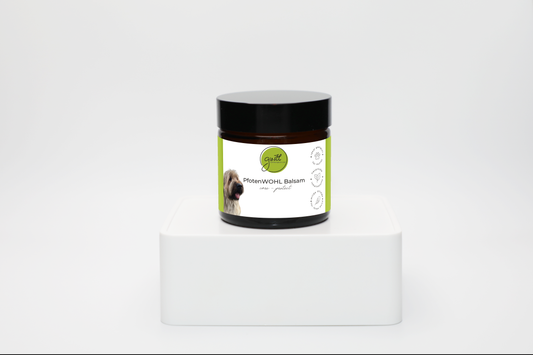
Product tip: Our PawWellness Balm contains high-quality shea butter – ideal for caring for sensitive dog paws, protecting against cold, salt and dehydration.

PawWellness Balm by Gustl
- Protective and nourishing: Our paw balm forms a protective barrier. The balm protects your dog's paws from hot asphalt, snow, and road salt.
- Prevents dehydration: The moisturizing formula prevents dehydration and keeps the sensitive skin on your dog's paws supple.
- Supports regeneration : soothes stressed paws and supports the healing of small cracks and injuries.
- Universal application: Suitable for all breeds for holistic and vegan care.
15. Frequently Asked Questions (FAQs)
Is shea butter suitable for babies?
Yes, pure unrefined shea butter is very well tolerated and suitable for the care of baby skin – e.g. in cases of dryness, diaper area or cradle cap.
Can shea butter help with eczema?
Yes, shea butter can have an itch-relieving, anti-inflammatory, and regenerative effect. In case of acute flare-ups, you should consult your doctor.
How long does shea butter last?
Unrefined shea butter has a shelf life of approximately 12–24 months. Store it in a cool, dark, and dry place to maintain its quality.
Is shea butter comedogenic?
The comedogenicity rating is 0–2, depending on skin type. For very oily skin, it is best to apply it to specific spots.
Does Mukisoft offer shea butter products?
Yes, for example in the PawWellness Balm or soon in the new Repair Cream – both use pharmaceutical-grade shea butter for targeted skin care.